

Actualmente vacío: S/ 0.00
Public
The journey of gambling From ancient rituals to modern casinos
The journey of gambling From ancient rituals to modern casinos
The Origins of Gambling
The history of gambling traces back to ancient civilizations, where rituals and games of chance were woven into the fabric of daily life. Archaeological findings suggest that as early as 3000 BC, Chinese and Babylonian cultures engaged in activities resembling modern gambling. These early games were often tied to religious beliefs, serving not only as entertainment but also as methods to communicate with the divine through chance. Today, you can experience exciting games like the le fisherman game from Hacksaw Gaming, which captures that spirit of chance and adventure.
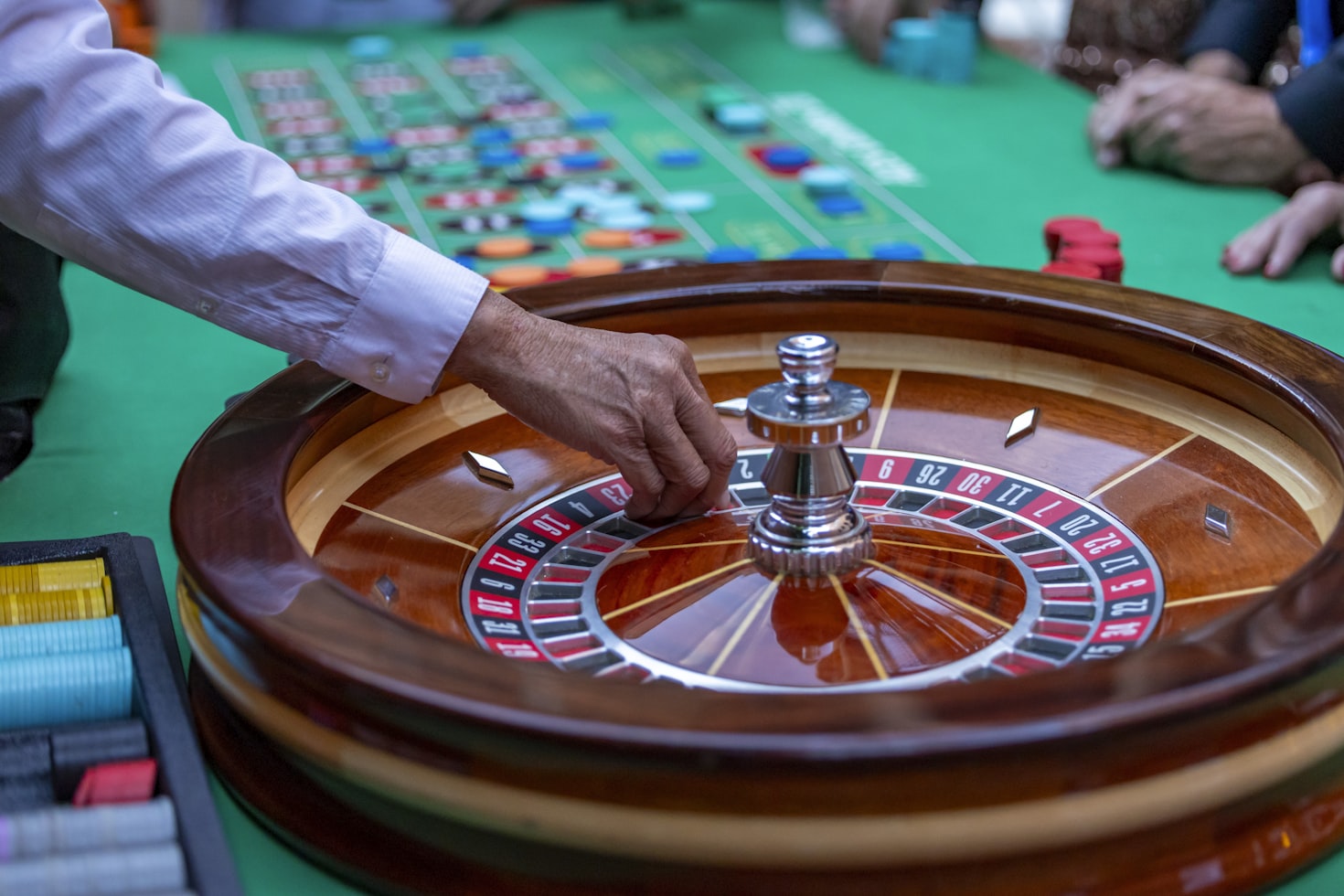
In ancient Rome, gambling took on a more organized form, with games like dice being played widely among citizens. The Romans established betting as a popular pastime, often associated with public spectacles such as gladiatorial contests. This evolving relationship between gambling and society set the stage for its acceptance and growth, creating a foundation that would last through the ages.
The Development of Gambling through the Middle Ages
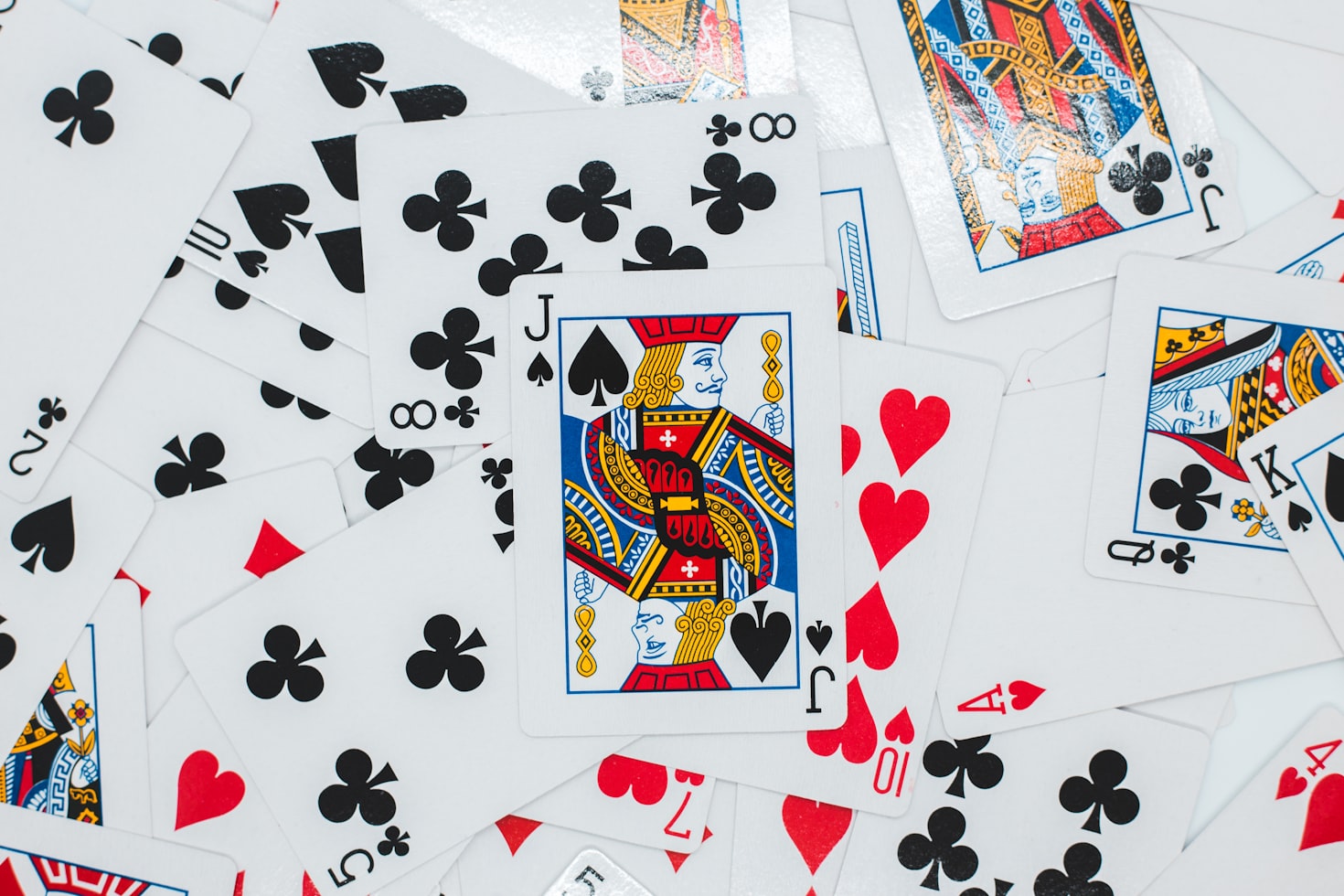
During the Middle Ages, gambling found both supporters and detractors. It was often viewed with suspicion, leading to periods of prohibition influenced by the Church. Despite this, underground gambling flourished, with games of chance like cards emerging in Europe. The invention of playing cards in the late 14th century marked a significant turning point, making gambling more accessible to the masses. Coincidentally, the emergence of these games had a lasting impact on the modern casino landscape.
In this era, the creation of the first lotteries in Europe, primarily for funding public projects, showcased how gambling could serve a societal purpose. This duality of gambling as both a vice and a utility continued to shape public perceptions, paving the way for more structured gaming activities in the modern age.
The Rise of Casinos in the 17th and 18th Centuries
The establishment of the first official casino, the Casino di Venezia, in Italy during the 17th century marked the beginning of a new era. This venue introduced a more refined gambling experience, complete with structured rules and a variety of games. As casinos gained popularity in Europe, they began to transform from mere gambling houses to luxurious entertainment destinations.
In the 18th century, the rise of gambling houses in France, particularly in Paris, further solidified the concept of casinos as social hubs. The introduction of games like roulette and baccarat contributed to an elegant gambling culture that attracted the elite, making casinos synonymous with opulence and glamour.
The Evolution of Gambling in the 20th Century
The 20th century witnessed an explosion of gambling opportunities, especially with the advent of Las Vegas as the gambling capital of the world. Legalization of casinos in Nevada in 1931 transformed the landscape, leading to a boom in luxury resorts and extravagant gambling experiences. This era also saw the emergence of slot machines, revolutionizing the gambling industry and attracting a broader audience.
Technological advancements played a significant role in the evolution of gambling, leading to the introduction of online casinos in the late 1990s. This innovation made gambling accessible to a global audience, allowing players to enjoy their favorite games from the comfort of their homes, effectively bridging the gap between traditional and modern gambling practices.
The Future of Gambling and Online Gaming
As technology continues to evolve, so does the gambling industry. The rise of mobile gaming and virtual reality casinos is reshaping the way players experience gambling. With innovations such as live dealer games and gamification elements, online gambling is becoming increasingly engaging and interactive, appealing to a younger demographic.
Websites dedicated to gaming not only provide platforms for players to enjoy their favorite games but also offer resources for responsible gambling. As the industry grows, maintaining player safety and promoting fair play remain essential priorities. Understanding the journey of gambling helps us appreciate the dynamic nature of this age-old activity, now more accessible than ever.